
Why Drinking Alcohol Can Cause Bruising
As a result, the number of RBC’s in the blood declines and patients develop anemia. Many patients also have some circulating RBC’s that contain ferritin granules called Pappenheimer bodies. The presence of these cells in the blood serves as an indicator of sideroblastic anemia and can prompt the physician to perform a bone marrow examination to confirm the diagnosis. Bruising in alcohol is typically caused by oxidation, which occurs when the spirit comes into contact with air over time.
Fuel groundbreaking medical research!
Alcohol interferes with the absorption and utilization of this vitamin, further exacerbating the clotting impairment. This dual effect on platelets and clotting factors creates a perfect storm, making alcoholics more prone to bruising, even from minor injuries. Alcohol consumption, particularly in excess, can lead to a myriad of health issues, and one often overlooked sign is increased bruising. This phenomenon is not merely a cosmetic concern but a potential indicator of underlying physiological changes.
Bruises After Drinking FAQs
While alcohol sends you into dreamland quicker, there’s a good chance that having too much will lead to a night of tossing and turning once its sedative effects wear off. alcohol and bruising Alcohol can deprive you of the energy and mental focus you need to go through the following day. You may also feel sluggish, groggy, and easily irritable, mainly due to disrupted sleep or low blood sugar levels. For some of us, half a dozen drinks during a night out aren’t yet enough to faze us. Alcohol is a vasodilator, it does bring out this feeling of dilatation in any single body organ throughout the body’s vessels. Though it causes someone that tremendous feeling of warmth, in turn, makes it easy to break with just touching or being hammered if it cannot reach its sensation, especially during cold nights.
When to seek medical advice
Only a couple of drinks can cause vasodilation of blood vessels close to the skin, leading to potential bruising if you bump your body against a hard surface. According to Scott Swartzwelder, Ph.D. (coauthor of Buzzed), consistent vasodilation caused by drinking alcohol leads to more blood flowing through your blood vessels. If you’re worried about your drinking habits, don’t hesitate to get help from a healthcare professional. If you’re experiencing alcohol symptoms like easy bruising, or you simply want to break free from alcohol misuse, Confidant is here to help.
According to the CDC, moderate drinking is defined as having two standard drinks or less per day for men and one drink or less per day for women. He has a nursing and business/technology degrees from The Johns Hopkins University. 6Moderate drinking, however, has been shown to decrease the risk of ischemic stroke. Anyone who experiences these symptoms should seek prompt medical advice, as early treatment is often effective.
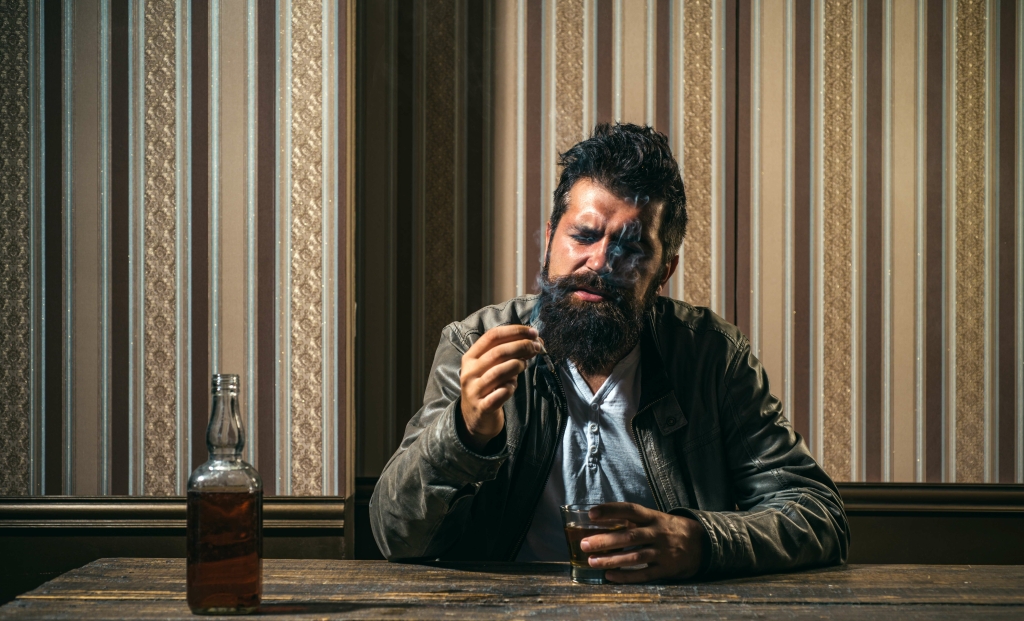
During alcohol withdrawal, the body undergoes significant stress as it adapts to functioning without the presence of alcohol. This can result https://theknowledgeprovider.com/sober-unicorn-sobriety-funny-sober-t-shirts-for/ in disruptions to the normal physiological processes, such as the inflammatory response and blood vessel integrity, which contribute to the development of ecchymosis. Additionally, alcohol withdrawal can exacerbate existing vitamin deficiencies, further compromising skin health and resilience, making individuals more prone to bruising. Ecchymosis, the medical term for skin bruising, can manifest as a visible indication during the challenging process of alcohol withdrawal. Recognizing the subtle signs of ecchymosis could provide valuable insights into the impact of alcohol withdrawal symptoms on the body.
Long-term effects
To summarize, heavy drinking can cause liver damage, which leads to easy bruising through multiple mechanisms. The damage to the liver impairs its ability to filter toxins and produce clotting proteins, affecting blood vessel health and function. Additionally, alcohol’s vasodilatory effects increase blood flow, making minor impacts more likely to cause bruising. Seeking professional help Sober living house is crucial when experiencing ecchymosis during alcohol withdrawal.
- I have been doing the sessions for the last few weeks and it has been a life changer experience.
- Severe alcohol withdrawal symptoms, such as delirium tremens, can be fatal if not treated promptly.
- And as tolerance builds, they’ll begin to drink more and more to achieve the same buzz or high they’re used to.
An alcohol use disorder is a legitimate medical condition that causes lasting changes in the brain. Once a person develops an alcohol use disorder, they will continue to drink, even in the face of serious consequences, such as health problems caused by alcohol. Brain changes from repeated alcohol misuse lead to compulsive drinking and make it difficult to stop without treatment. By following these strategies, individuals experiencing ecchymosis during alcohol withdrawal can facilitate the healing process and improve the appearance of bruised skin.
I recently joined Ohio Community Health Recovery Centers as a Clinical Case Manager. I am originally from Wisconsin but settled in the Cincinnati area in my early 20s. My career started in the fashion industry but quickly changed as I searched to find my drive and passion through helping others who struggle with addiction.
Additionally, alcohol dilates blood vessels, making them more susceptible to injury. For individuals with cirrhosis, avoiding blood-thinning medications (e.g., aspirin or warfarin) and using protective gear during physical activities can minimize bruising risk. Regular monitoring by a hepatologist ensures timely adjustments to treatment plans. While bruising alone doesn’t confirm alcoholism or cirrhosis, it serves as a visible warning sign—one that demands attention to protect both liver and overall health. In conclusion, bruising as a sign of alcoholism is not merely a superficial concern but a red flag for deeper nutritional imbalances.
Can drinking alcohol make you more prone to bruising?
The pooling of blood causes a visible sign of a bruise on your skin (skin discoloration). Your blood cells (platelets) are your body’s plumbers to repair the leak in your blood vessels. While alcohol itself doesn’t directly cause bruises, excessive alcohol consumption can lead to injuries that result in bruising. Alcohol can impair coordination, balance, and judgment, making individuals more prone to accidents and falls that can cause bruises. And yes, you may feel great and energized upon waking up—but that doesn’t mean you didn’t have too much to drink the night before. Sometimes a laboratory test done for some other reason shows the person has a susceptibility to bleeding.
Final Thoughts: Bruises After Drinking
When you want to unlock your front door to go home after a night of drinking, you see the lock, and your brain sends a signal to your hand to move the key toward it. Because denial is common, you may feel like you don’t have a problem with drinking. You might not recognize how much you drink or how many problems in your life are related to alcohol use. Listen to relatives, friends or co-workers when they ask you to examine your drinking habits or to seek help.